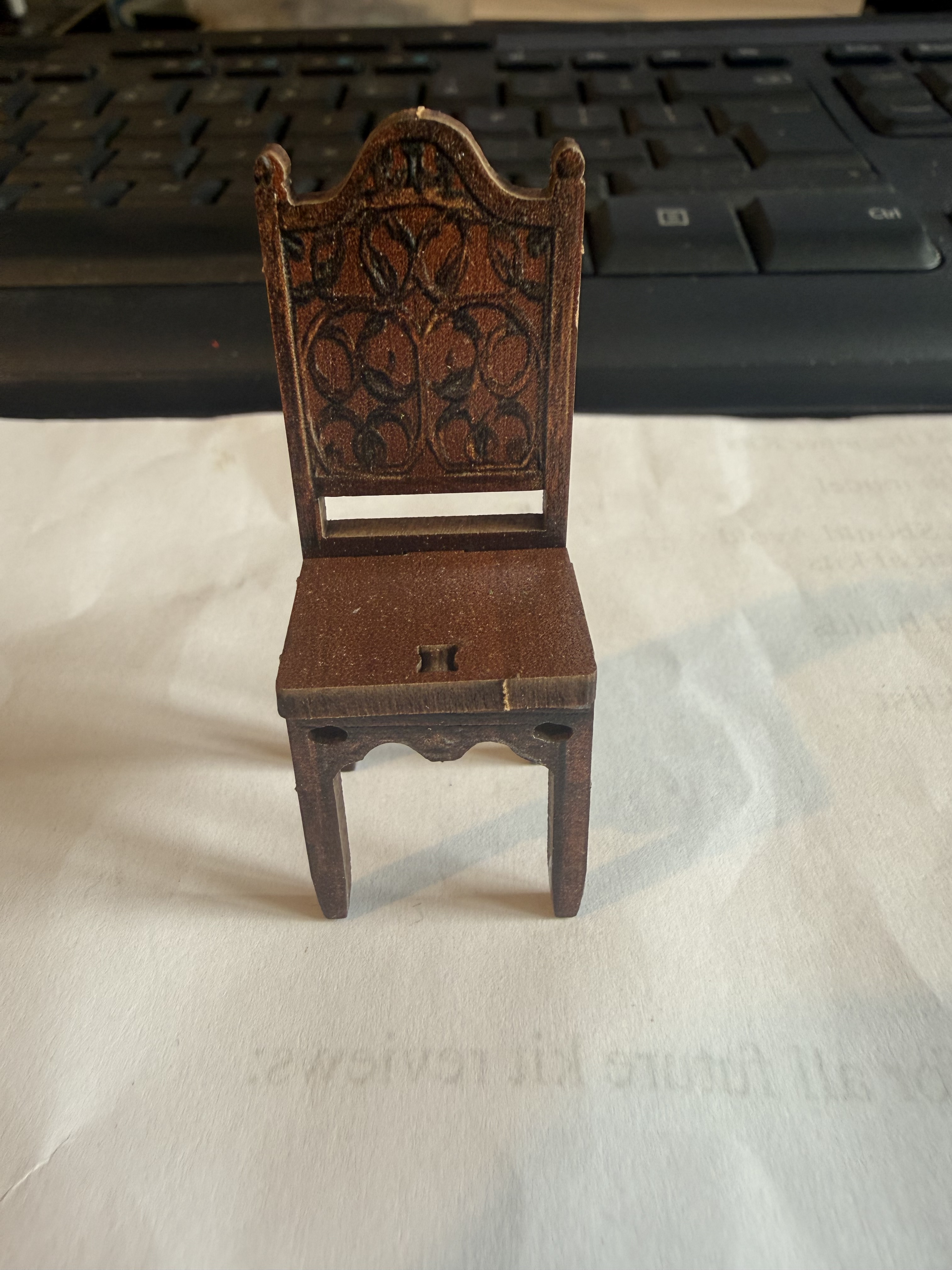
Not every book nook kit needs to be built exactly as intended. A low-cost, damaged or unwanted kit can be an excellent source of structural pieces, furniture, lighting and decorative components for a custom project.
The idea is simple: treat the kit as a parts library rather than a set of instructions.
Why Repurpose a Kit?
Buying miniature components individually can become expensive. A donor kit may give you walls, floors, windows, furniture, printed panels, LEDs, wiring and dozens of decorative details in one box.
This is particularly useful if you already own a kit you no longer want to build, have spare components from previous projects, or find an inexpensive kit whose parts suit a custom idea.
What Can You Reuse?
- Walls, floors and structural panels
- Doors, windows and frames
- Furniture and props
- LEDs, switches, battery boxes and wiring
- Acrylic panels and mirrors
- Plants, books, signs and decorative details
1. Decide What You Are Building
Start with the new scene, not the donor kit. Sketch the footprint and decide which elements actually help. This prevents the finished model looking like the original kit with a few pieces moved around.
2. Inventory Before Cutting
Lay out the donor components and group them into structure, furniture, lighting and decoration. Measure useful parts before altering them.
3. Dry-Fit the New Layout
Do not glue immediately. Test the main walls and focal points, then view the scene from its intended display angle. Photography is useful because scale and perspective problems often become more obvious on a screen.
4. Reuse Lighting Carefully
Existing LEDs and battery systems can save time, but check voltage and test every component before incorporating it. If you change the circuit or add LEDs, use the guidance in our lighting section rather than assuming every kit uses the same electrical arrangement.
5. Make the Parts Look Like They Belong Together
Paint, edge colouring, weathering and repeated materials help components from different sources feel like one design. Small changes to colour and finish often matter more than buying expensive replacement furniture.
Keep a Spare-Parts Library
Do not throw unused pieces away. Labelled storage for LEDs, acrylic, furniture, figures, plants and hardware becomes increasingly valuable as you build more kits.
A Note on Scale
Do not assume donor parts are automatically 1:24 or that two book nook kits use the same proportions. Compare actual dimensions. Our miniature scale guide explains why visual fit matters more than the label.
When Is a Donor Kit a Bad Idea?
If the kit is collectible, difficult to replace or worth substantially more intact, dismantling it makes little sense. Likewise, do not buy a poor kit purely because it is cheap unless the components you need justify the cost.
Moving From Kit Builder to Custom Builder
Repurposing is a useful bridge between following instructions and designing from scratch. You still have professionally cut components to work with, but you make the decisions about layout, lighting and story. When you are ready to make that full transition, follow our complete guide to designing and building your own book nook from scratch.
See our Essential Tools guide and our later customisation articles for techniques that can take the project further.
Copyright Book Nook Workshop 2026 – All rights reserved. (David Richards)
Leave a Reply