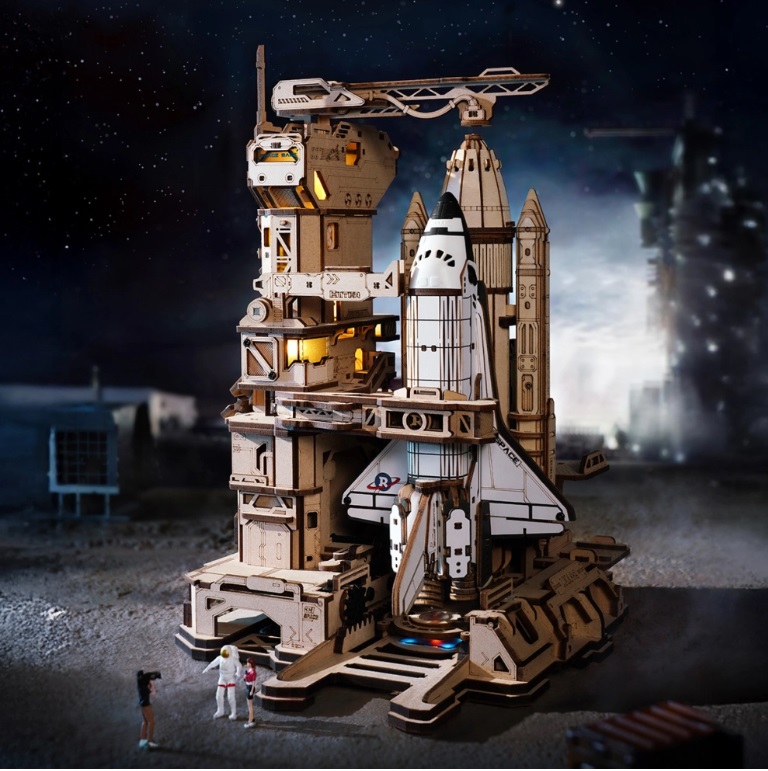
Book nooks are already impressive—but once you add moving parts, lighting, and hidden features, they become something else entirely.
If you’ve seen one in action—a spinning scene, flickering lights, or a hidden mechanism—you’ve probably wondered:
👉 How do these actually work… and are they harder to build?
In this guide, we’ll break down:
Whether they’re worth the extra challenge
The different types of moving parts
How these mechanisms work
What to expect when building one
What Are “Moving Parts” in Book Nooks?
A standard book nook is static—a detailed miniature scene designed to sit between your books.
A mechanical or animated book nook adds motion, such as:
- Rotating scenes
- Moving figures
- Opening or shifting elements
- Light animations
These features transform a display piece into something much more dynamic.
Types of Movement You’ll See
1. Rotating Scenes
These are one of the most common effects.
- A platform rotates slowly inside the scene
- Driven by a gear system or motor
- Creates a “living” environment
👉 Often found in more advanced or premium kits.
Gear-Driven Mechanisms
Some kits use visible or hidden gears to power movement.
- Manual (hand-cranked) or motorised
- Requires precise alignment
- Very satisfying when working correctly
👉 These are usually the most technical builds.
Moving Figures or Elements
Smaller movements can include:
- People walking
- Doors opening
- Objects shifting
👉 These are subtle but add a lot of realism.
Lighting Effects & Illusions
Not strictly “movement,” but often included:
- Flickering lights
- Colour changes
- Hidden LEDs
👉 Lighting is often combined with movement for maximum effect.
How These Mechanisms Actually Work
Most moving book nooks rely on one of two systems:
🔧 Manual Systems
- Hand-cranked gears
- Simple mechanical linkages
- No electronics required
👉 Easier to understand, but still require precision.
⚡ Motorised Systems
- Small electric motors
- Powered by batteries
- Often combined with lighting
👉 More impressive—but also more complex to build.
Are Book Nooks with Moving Parts Harder?
Short answer: yes—but not always in the way you expect.
They’re rarely harder because of the number of pieces.
Instead, the difficulty comes from:
- Precision → gears must align perfectly
- Planning → wiring must be placed correctly before closing
- Access → once sealed, fixing issues is difficult
👉 One small mistake can affect the entire mechanism.
Common Challenges (Real Builder Experience)
From real builder feedback, the most common issues are:
- Misaligned gears that won’t turn properly
- Wiring mistakes that are hard to fix
- Tight spaces making assembly awkward
- Fragile components during installation
👉 These builds reward patience more than speed.
Are They Worth It?
That depends on what you enjoy.
👍 Worth it if you:
- Like technical builds
- Enjoy problem-solving
- Want a standout display piece
👎 Maybe not if you:
- Prefer relaxing, straightforward builds
- Dislike wiring or mechanical work
- Get frustrated with precision tasks
What to Look for Before You Buy
If you’re considering a moving book nook, check:
- Does it include wiring or motors?
- Are there reviews mentioning alignment issues?
- How complex does the mechanism look?
- Is there enough space to work comfortably?
👉 These clues will tell you how challenging it will be.
Best Book Nook Kits with Moving Parts
If you’re ready to try one, I’ve put together a full list of recommended builds here:
👉 Best Book Nook Kits with Moving Parts That Actually Bring Your Shelf to Life
Final Thoughts
Book nooks with moving parts take the hobby to another level.
They’re not just display pieces—they’re miniature machines.
But with that extra realism comes extra complexity.
👉 If you’re prepared for the challenge, they can be some of the most satisfying builds you’ll ever complete.
👉 Best Book Nook Kits with Moving Parts
Kit reviews with moving parts
Copyright Book Nook Workshop 2026 – All rights reserved. (David Richards)
Leave a Reply