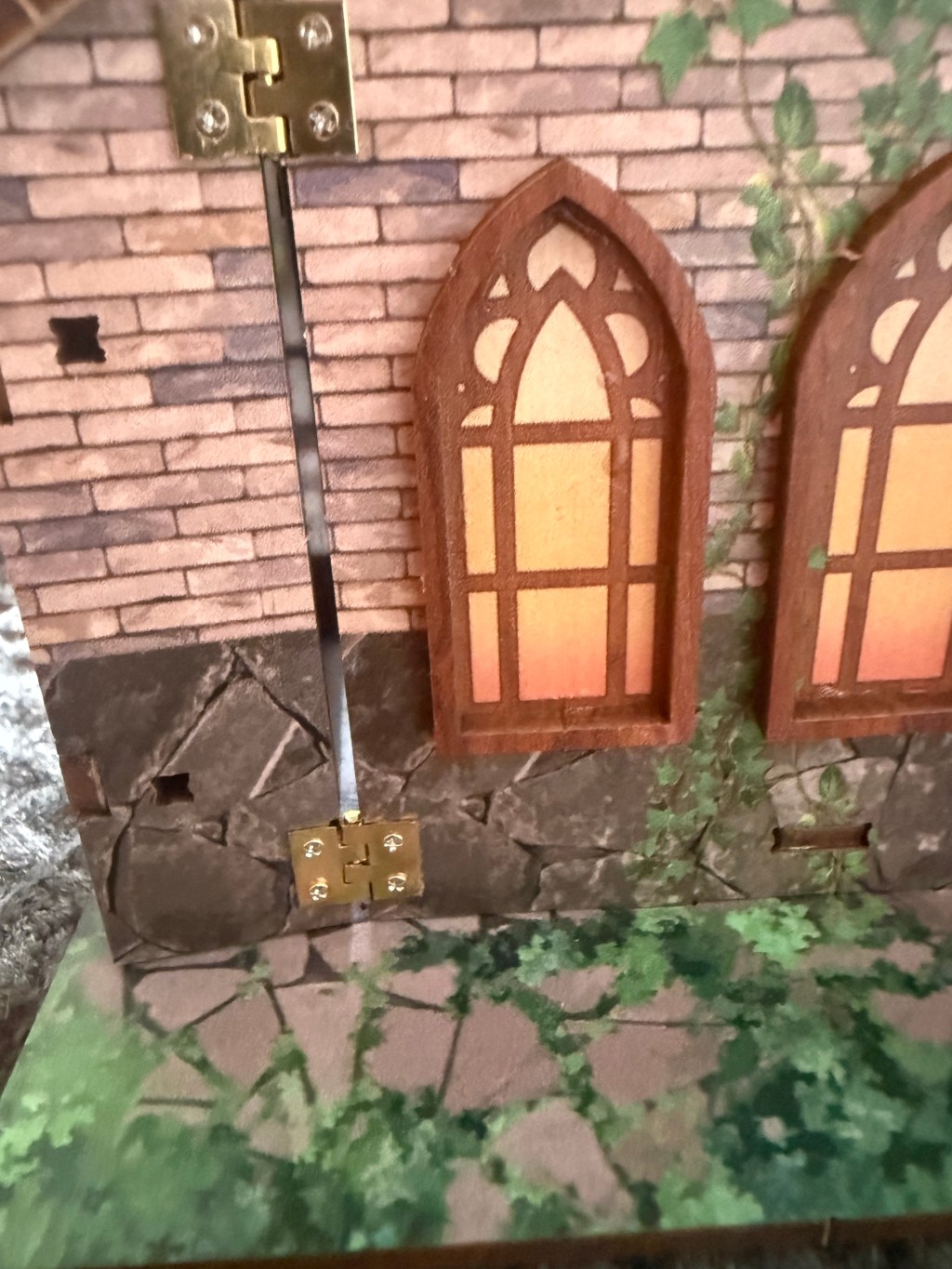
Most beginner kits are manageable—but once you move into more advanced builds, the challenges change.
I asked my Facebook community with over 50,000 members:
“What is the hardest or most challenging book nook you’ve ever built?”
The answers revealed something important—difficulty isn’t just about complexity, it’s about:
- Fiddly Builds and Precision Work
- Some kits require cutting and gluing very small pieces rather than simply slotting parts together.
“The more complex kits I’ve done have been cut-and-glue style… you need patience and manual dexterity. Not everyone enjoys them.”
These builds:
- Take longer
- Require steady hands
- Can be frustrating if rushed
When Instructions Make It Harder
“The instructions are all in Chinese, so you have to rely on photos and be very intuitive.”
Poor or unclear instructions can:
- Slow progress
- Increase mistakes
- Make builds feel harder than they actually are
Material Problems
“The paper absorbs glue and becomes damp—it can tear while positioning it.”
This leads to:
- Fragile components
- Difficult placement
- Increased frustration
Extremely Small parts
“Tiny items like swans had to be cut out and glued to forms.”
This kind of detail:
Adds realism but increases difficulty significantly
Kits Builders Found Challenging
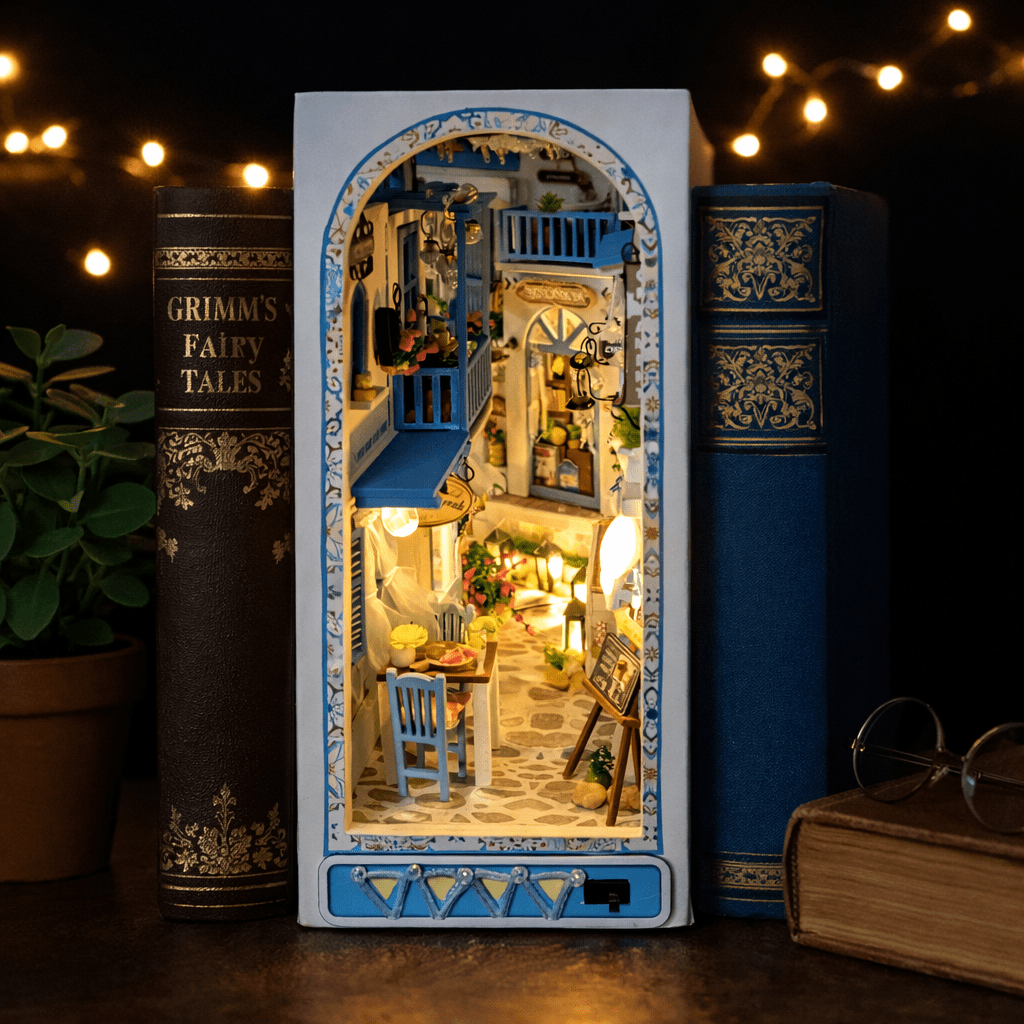
Commonly mentioned types:
- Cherry Blossom Alley
- Chinese Food Street
- Sea Breeze
- Oriental Tales
- Miniature house kits under five inches
Micro-Mini Kits
Some of the most difficult builds are simply tiny:
- Cuteroom miniature series
- Small dollshouse kits
👉 The smaller the build, the harder the precision required.
Mechanical & Wiring Challenges
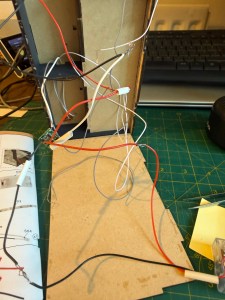
“Wires broke at the battery box… mechanisms needed repositioning to work.”
These builds require:
- Careful alignment
- Testing throughout
- Patience when fixing issues
Read the detailed guide on lighting here
When Quality Causes Problems
Not all challenges come from complexity.
“Pieces broke just looking at them… glue everything.”
Low-quality kits can lead to:
- Breakage
- Poor fit
- Frustration even on simple builds
“Not Hard—Just Frustrating”
“Sea Breeze… we got grey hair overnight.”
Many builders said the same thing:
👉 It’s not always difficult—it’s just patience-testing.
Specific Kits Builders Found Most Challenging
Alongside general themes, many builders mentioned specific kits that stood out as particularly difficult, frustrating, or time-consuming.
Here are some of the most commonly mentioned:
Highly Detailed & Fiddly Kits

These kits often involve lots of cutting, gluing, and very small components:
- Cherry Blossom Alley
- Chinese Food Street
- Sea Breeze
- Oriental Tales
- Impression Hawaii
👉 These are visually stunning—but require patience and careful handling.
Miniature House Kits (Very Small Scale)
Several builders highlighted just how challenging smaller-scale kits can be:
- Miniature Sakura House
- Miniature Blue Waltz House
- Cuteroom D-Series (mini shops and houses)
- Cuteroom dollhouse kits (bakery, flower shop, magic school, forest themes)
These are often:
- Under five inches wide
- Packed with tiny components
- More intricate than they first appear
👉 The smaller the kit, the more precise you need to be.
Kits with Complex Instructions or Layouts
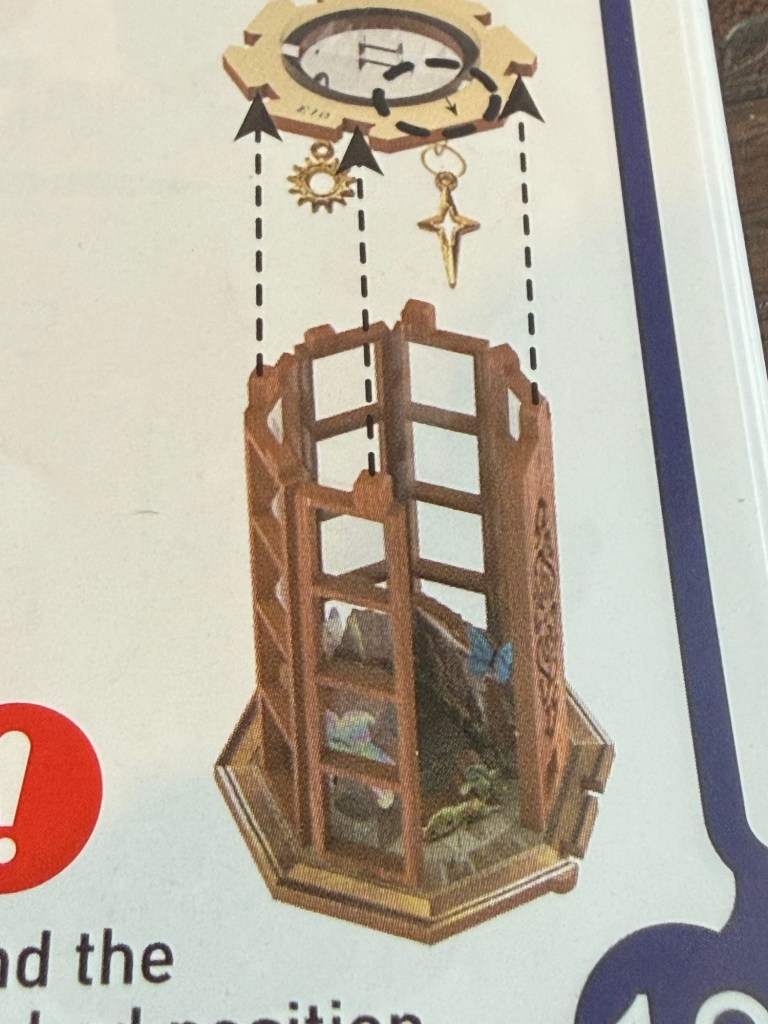
Some kits stood out due to confusing or unclear instructions:
- Bruges City
- Sakura Treehouse-style builds
Builders reported:
- Difficulty following steps
- Needing to rely on photos rather than text
- Increased trial-and-error
Kits with Mechanical or Moving Parts
These introduce a different type of challenge:
- Whale Ark of the World
- Kayee Train Set
- Time Magic Club
These builds require:
- Precise alignment
- Careful sanding and waxing
- Careful positioning of moving parts
- Extra attention to wiring and mechanisms
Kits Affected by Material Quality
Some kits became difficult due to poor materials rather than design:
- Williams Castle
- Magic Treasure House
- Secret Castle II
Common issues included:
- Fragile wood
- Poor fitting pieces
- Heavy reliance on glue
What This Means for Beginners
The key takeaway from all of these examples is simple:
The hardest kits aren’t always the most complex—they’re the ones that don’t match your expectations or building style.
If you’re just starting out:
- Avoid very small or highly detailed kits
- Be cautious with cut-and-glue designs
- Look for clear instructions and solid materials
👉 You can see my full recommendations in my beginner book nook kits guide
Key Takeaway
The hardest book nook isn’t always the most complex—it’s the one that doesn’t match your style. And sometimes, even experienced modellers, like me, run into a disaster. Dreamy Book Hall Review
 Book Nook Workshop
Leave a comment